Font Size:

RiverPartners Disappointed by Groups’ Decision to Move Away from Collaborative Efforts
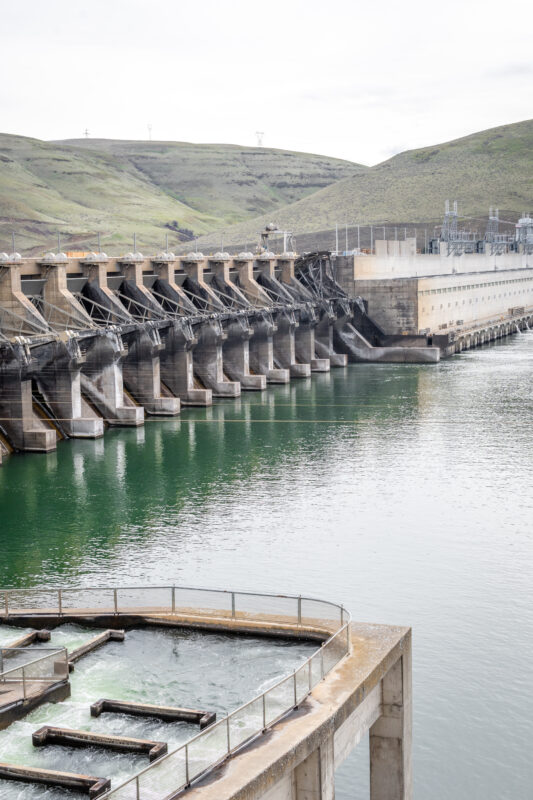
October 23, 2020 – On October 22, Earthjustice, on behalf of 11 organizations, filed a 60-day notice over its intent to sue the federal government over Columbia River System Operations approved by the recent Record of Decision, and supported by the NOAA Fisheries and US Department of Fish and Wildlife Biological Opinions.
Northwest RiverPartners is disappointed that several of the organizations listed in the notice of intent to sue are groups that had previously called for regional collaboration to avoid endless litigation. Further, this move seems to cast doubt on the good faith nature of the work envisioned by the Northwest governors’ recently announced four-state agreement on salmon recovery.
That agreement was predicated on the belief that collaboration could only be achieved through a holistic approach that examines hydropower, habitat, harvest, and hatcheries.
The groups that filed their notice to sue have made it clear they believe the only way to restore struggling salmon populations to the Pacific Northwest is dam breaching.
While we share their goal of salmon restoration, a slew of new scientific reports demonstrate that salmon declines are not isolated to any particular river or system. Instead, salmon face a trans-oceanic problem that is largely the direct result of climate change. This problem requires a holistic solution.
Removing or reducing hydroelectric generation will likely require fossil fuel replacements, leading to more greenhouse gases. Scientists believe these greenhouse gases are the driver behind warming, acidifying oceans that are threatening key salmon populations on a worldwide basis. This threat extends to pristine rivers without dams. As a result, reducing carbon-free hydroelectricity is a step in the wrong direction for salmon recovery.
The drive to remove dams also will likely harm the region’s most economically vulnerable populations. The Northwest has the least expensive clean energy in the nation, thanks to its abundant hydropower system. A 2020 federal study showed the cost of removing and replacing the four lower Snake River dams with alternate energy resources could cost almost $1 billion annually and result in a jump in an average customer’s electricity bill of 25%.
Studies have shown that historically under-represented and vulnerable communities spend a much greater share of their income on basic needs, such as utilities. As a result, dam breaching will create a disproportionate burden for the people who can least afford it.
We are hopeful the organizations behind the lawsuit will reconsider and move back to the collaborative process they had previously publicly supported.